What we feel deserves science.
Sensations and self-perception deserve a firm place in research, rather than being set aside as merely subjective.
Traditional healing systems know a great deal about the body. I translate this knowledge into questions that science can investigate, and bring the answers back into therapy and teaching.
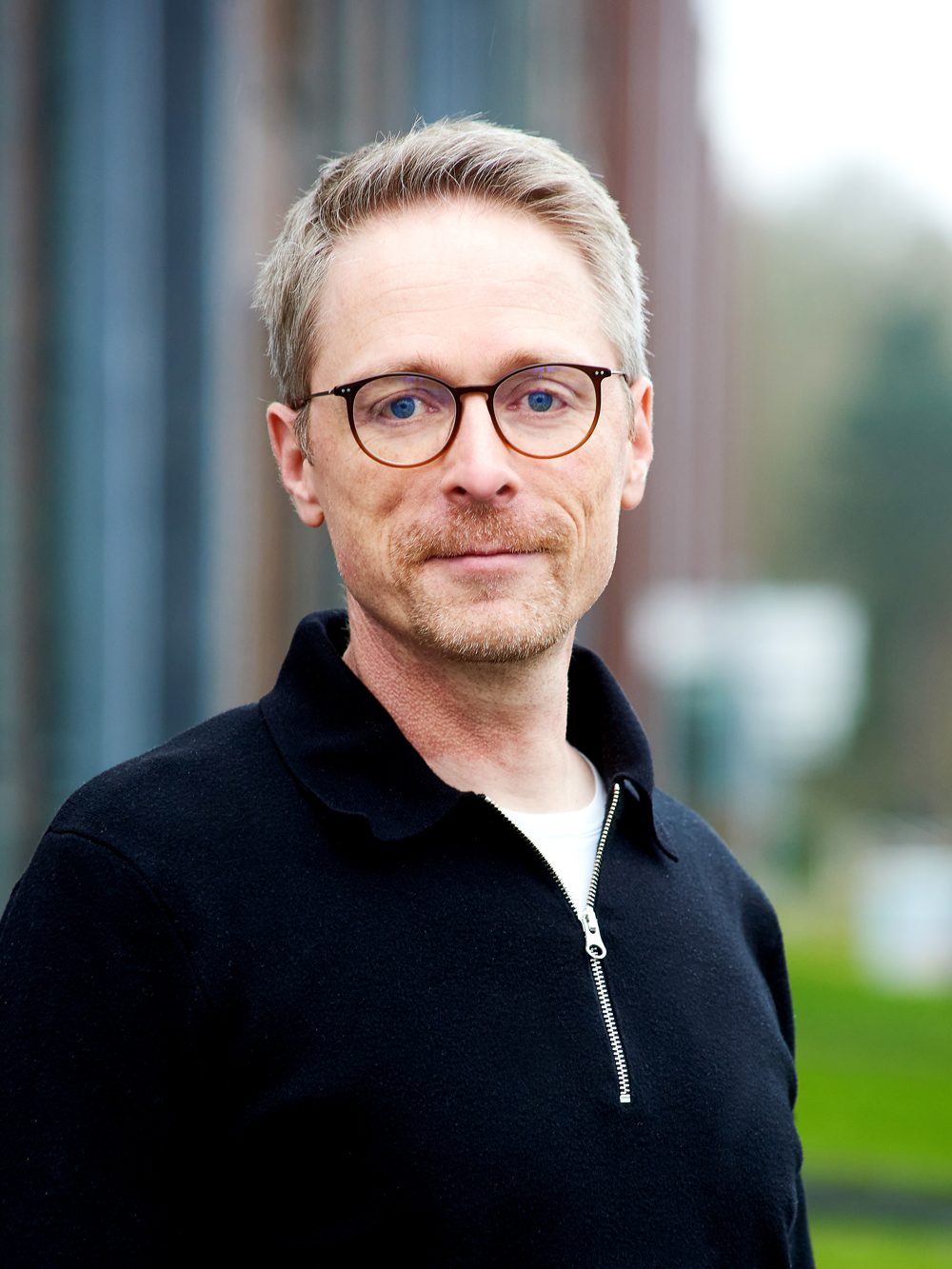
Sensations and self-perception deserve a firm place in research, rather than being set aside as merely subjective.
Many traditional concepts point to processes that can be studied once they are translated into the language of today's research.
New ideas emerge where disciplines meet and research stays close to therapeutic practice.
“Sometimes it matters more to describe a phenomenon precisely than to explain it quickly.”
Guiding idea of my research
And back into practice: research and therapy should move each other forward instead of running side by side.
Adjunct Professor at the Institute of Diagnostic and Interventional Neuroradiology. I did pioneering work in functional imaging of the brainstem and hypothalamus – regions that control the autonomic nervous system but were long considered almost impossible to measure with fMRI. A second focus is how somatosensory therapies work.
MHH profileThe institute studies how integrative therapies work, such as acupuncture, osteopathy or mind-body methods. The central question is what happens in the body and the nervous system. This field receives little public funding and is still poorly understood.
The work is phenomenological, close to therapeutic practice and free of disciplinary boundaries: a decentralised network of partners from medicine, psychology, sinology and data science collaborates with short paths and flat hierarchies. The institute is funded through its own projects, foundations and private supporters.
I founded the institute in 2020 and serve as its scientific director.
insula-institut.orgA method for working with human experience – in therapy, counselling and beyond. It includes all levels of experience as equals, because what concerns us rarely affects just one of them. The solution often lies on a different level than the problem.
Since 2020 I have been developing sinosomatics together with Dr. Annemarie Schweizer-Arau, use it in my own therapeutic work and teach it at the sinosomatics academy.
sinosomatics.deIn the EmoGrasp experiment, people place emotional memories into their hands. We study how this changes the perception of their arms and their bodily self-image.
With EmoGrasp4Pain we tested the technique in chronic pain. Further clinical studies on embodiment techniques will follow.
Do traditional concepts such as channels and Qi actually describe processes that can be felt in the body? And how can we investigate this? In the HELIX experiment we made early channel descriptions from the Han dynasty digitally visible.
We have already studied EmoGrasp with fMRI. In future we want to investigate further embodiment techniques in this way and make visible what happens in the nervous system.
My questions often arise in the treatment room: what does a person feel when touch, breathing or attention changes something in them? In the lab I examine what of this is reflected in the nervous system, and bring the results back into therapy and teaching.
The worst mutual misunderstandings between research and Traditional Chinese Medicine, and how to avoid them. A bridge for both sides.
Historical sources, felt sensations and phenomenological approaches: whether traditional concepts describe processes that can be felt in the body. With results from the HELIX experiment on Han-dynasty channels.
What acupuncture and other forms of therapeutic stimulation do in the central nervous system. The current state of research from functional neuroimaging.
“Placing it in the hands” as a way to regulate emotional memories: clinical and experimental findings from the EmoGrasp project, including fMRI.
From pleasant to pulling: digital maps of bodily sensations in clinical work and research, and what they reveal about mind-body therapies.
An introduction to Hermann Schmitz's New Phenomenology and what it means for the therapeutic encounter, atmospheres and felt bodily experience.
Integrative treatment for endometriosis, infertility or tinnitus: current studies and mechanisms between TCM and neuroscience.
Talks in German and English, as a keynote, specialist lecture or workshop. I am happy to adapt topics to your audience.
Full list on Google Scholar and ORCID.
Email is the quickest way to reach me. For questions about training, please contact the sinosomatics academy.